
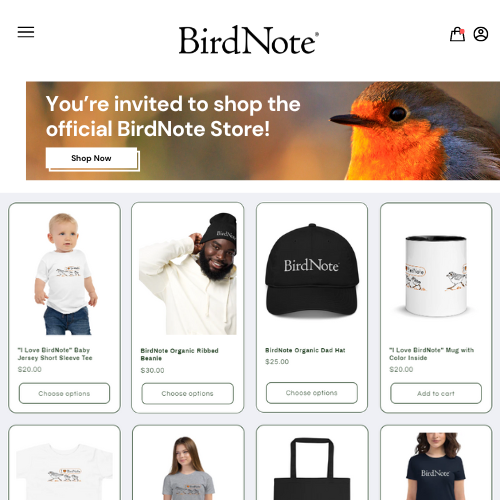
The BirdNote Store is officially here!
You can now shop from an exciting array of BirdNote-themed goodies to show off your love for our stories! And — every sale supports BirdNote's storytelling.
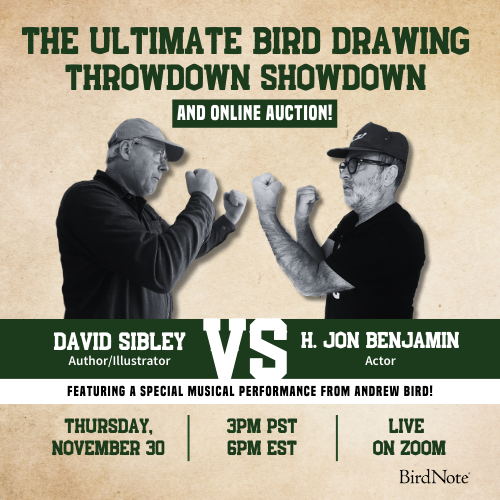
Join BirdNote tomorrow, November 30th!
Illustrator David Sibley and actor H. Jon Benjamin will face off in the bird illustration battle of the century during BirdNote's Year-end Celebration and Auction!
How are you helping birds?
As part of BirdNote's "From Love to Action" campaign, we want to know how our stories are inspiring you to act for birds.
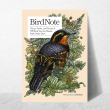
Get More BirdNote with BirdNote+
There’s a new way to get more BirdNote and support the sound-rich shows that connect you to the joys of birds and nature.
Bring Birds Back
A podcast about the joy of birds and the ways that humans can help them through simple, everyday actions.
Recent Shows
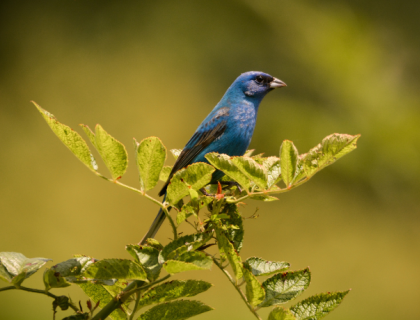
Claire Wahmanholm: You Can Always Hear the Highway
Poet Claire Wahmanholm's work focuses on nature and the environment. As she was walking around a nature preserve north of Chicago... Listen Now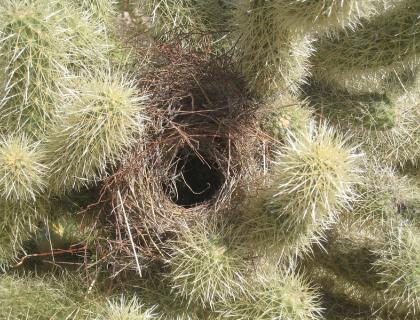
Cactus Wren Nest Orientation
Cactus Wrens, which may nest several times between March and September, carefully orient their nests in tune with the season... Listen Now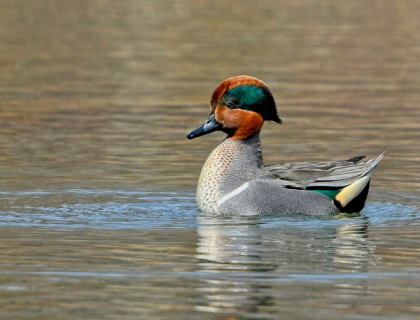
Green-winged Teal by the Millions
Green-winged Teal are North America's smallest dabbling duck, at just over a foot long and weighing less than a pound. The male... Listen Now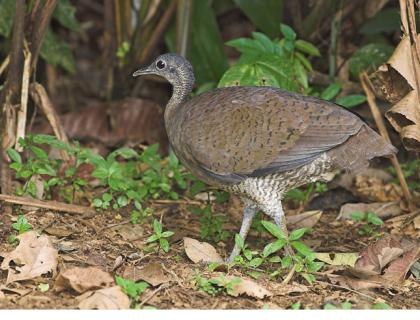
Great Tinamou, Eerie Voice in the Jungle
The eerie sound of the Great Tinamou can be heard in the lowland jungle throughout much of Central and South America. Secretive —... Listen Now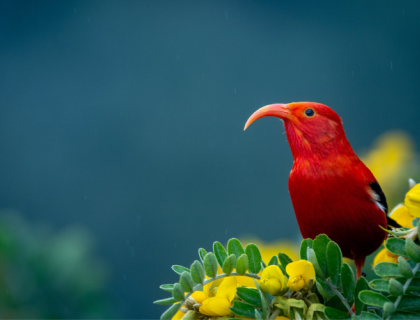
Hawai‘i as a Model for Conservation
With invasive species and climate change, Hawai‘i has experienced so much loss and extinction since Western colonists arrived. But... Listen Now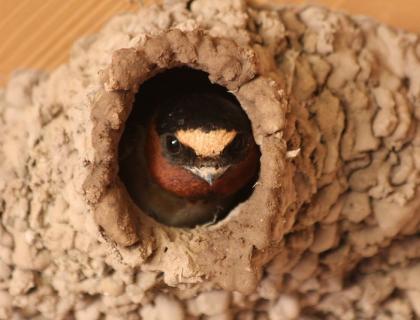
How Cliff Swallows Build a Nest
When Cliff Swallows arrive on the breeding grounds in North America, the dirty work begins. The swallows scoop up mud in their... Listen NowSupport BirdNote Today
Your gift will bring the wonder and joy of birds to people of all ages.