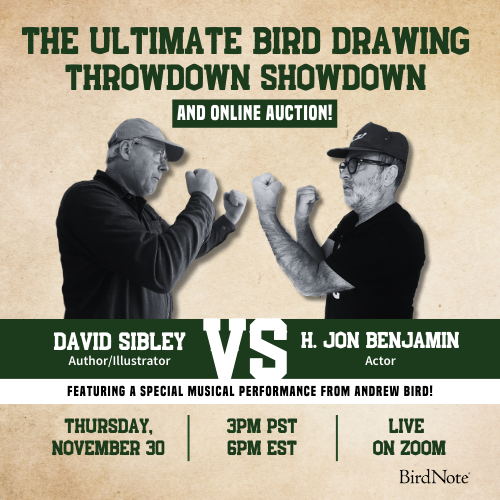
Join BirdNote tomorrow, November 30th!
Illustrator David Sibley and actor H. Jon Benjamin will face off in the bird illustration battle of the century during BirdNote's Year-end Celebration and Auction!
The Kids Are Growin' Up
©
Mike Hamilton

Late summer — and this year's young birds are growing up. Mike Hamilton's camera has found them unfurling new feathers, practicing essential skills, and sometimes . . . looking a little confused by it all. [We've named the birds below their pictures, so you can guess what they are. Have fun!]
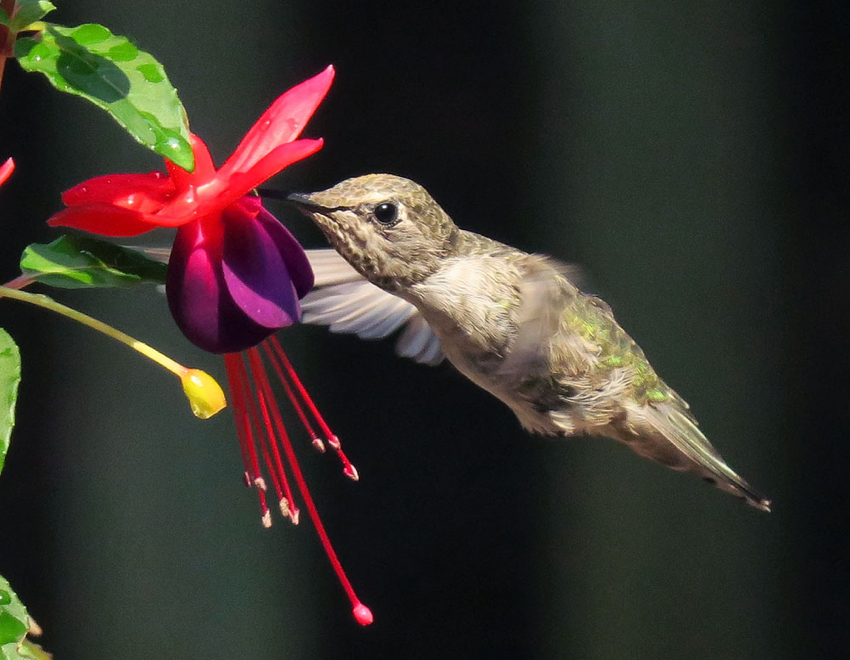
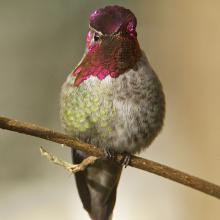
This juvenile Anna's Hummingbird has found a beautiful source of nectar.
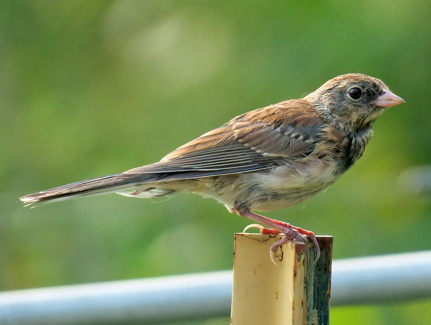
These LBBs can get so confusing! First, a Dark-eyed Junco.
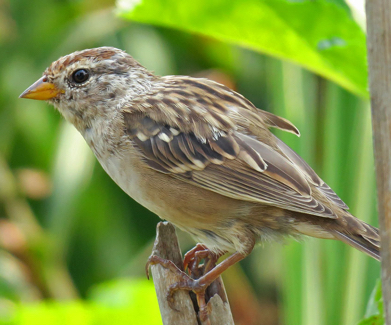
Now notice the yellow beak on the White-crowned Sparrow.
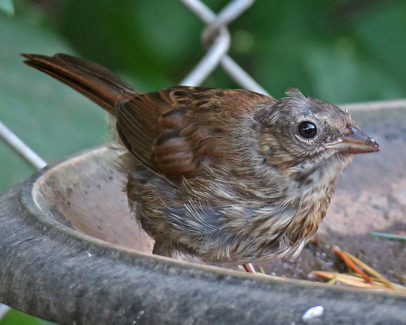
Both juvenile Song Sparrow . . .
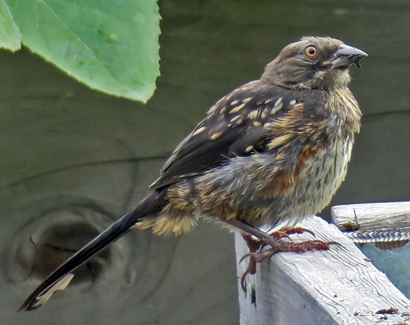
and this Spotted Towhee have a just-got-up and scruffy look to them.
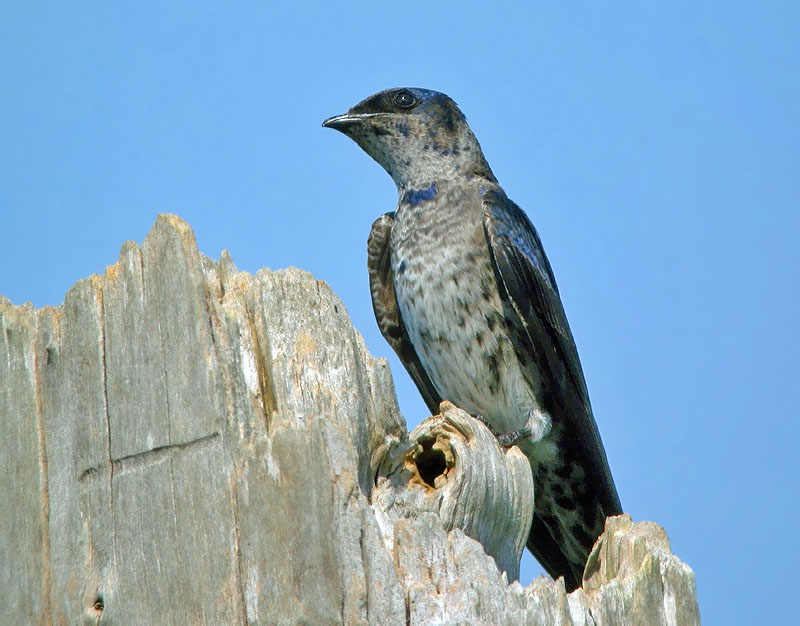
This young Purple Martin still has a few bright blue/purple highlights and mottled breast.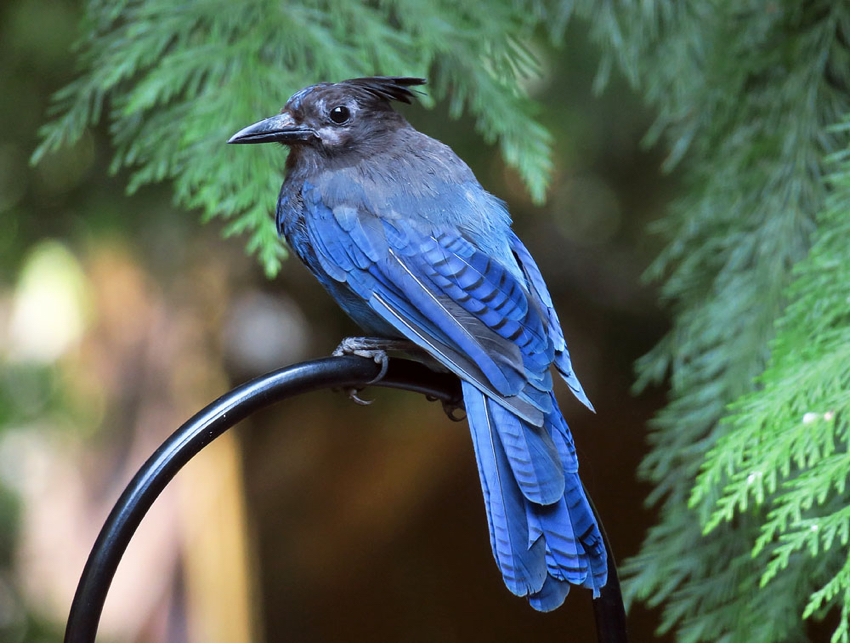
Now what? An immature Steller's Jay makes its landing on a convenient perch.
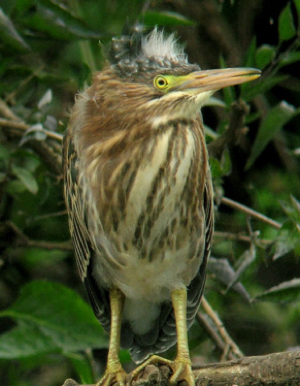
This Green Heron is very young while . . .
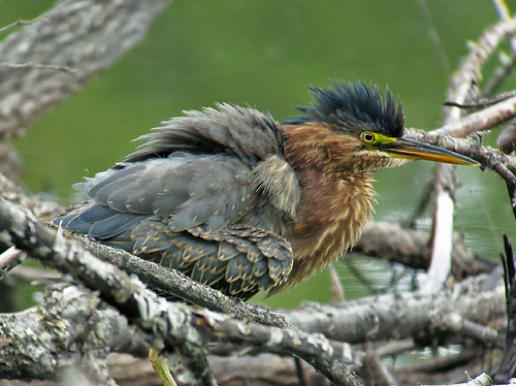
. . . this juvenile is sprouting some adult plumage - still looking disheveled.
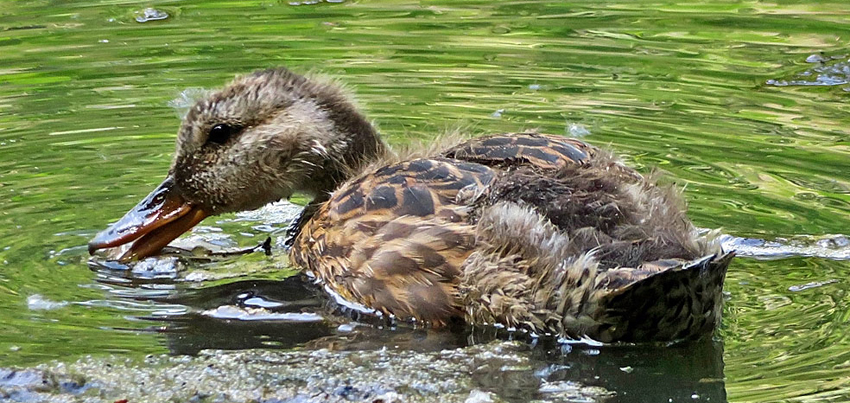
A juvenile Mallard still sports a lot of down.
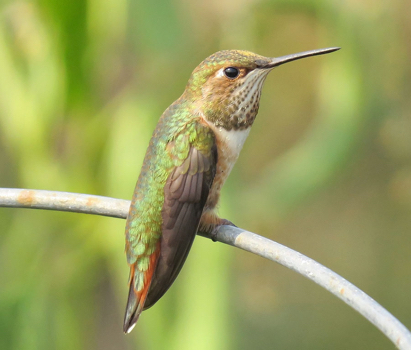
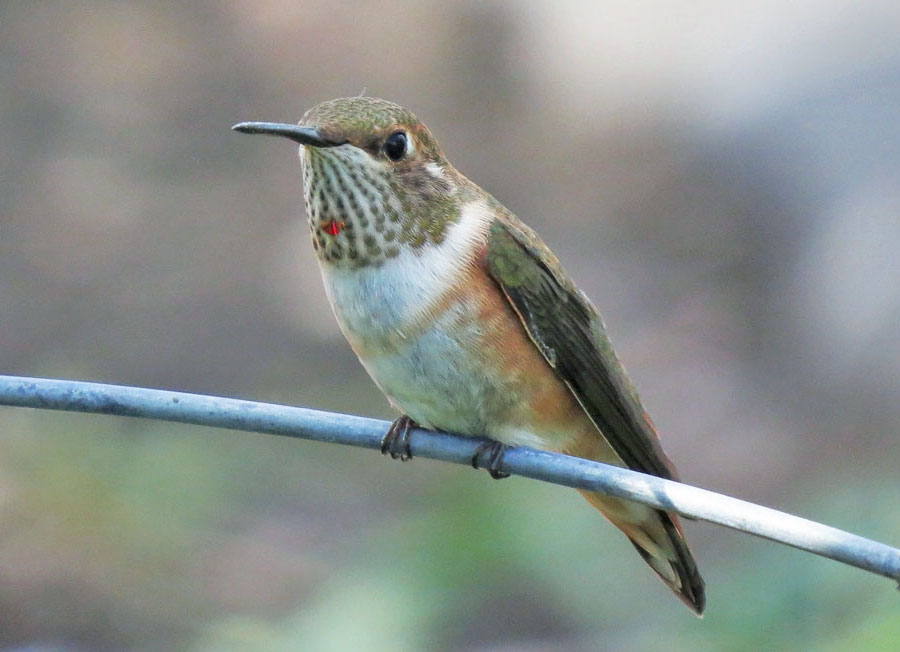
A juvenile Rufous Hummingbird's colors are coming in beautifully. . .
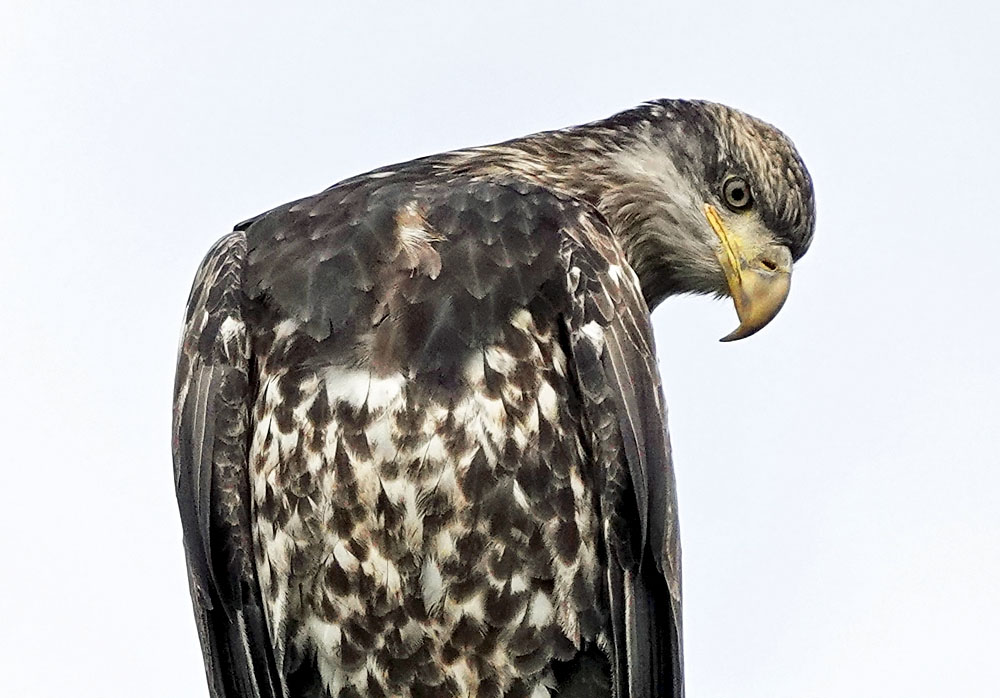
. . . while this juvenile Bald Eagle has very mottled plumage.
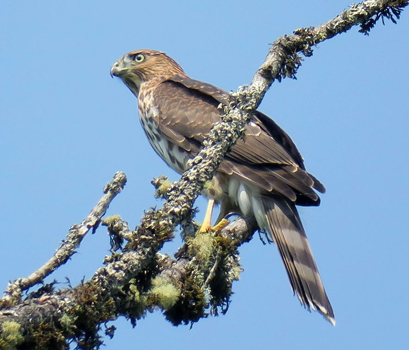
Look at this immature Cooper's Hawk - note the yellow eye.
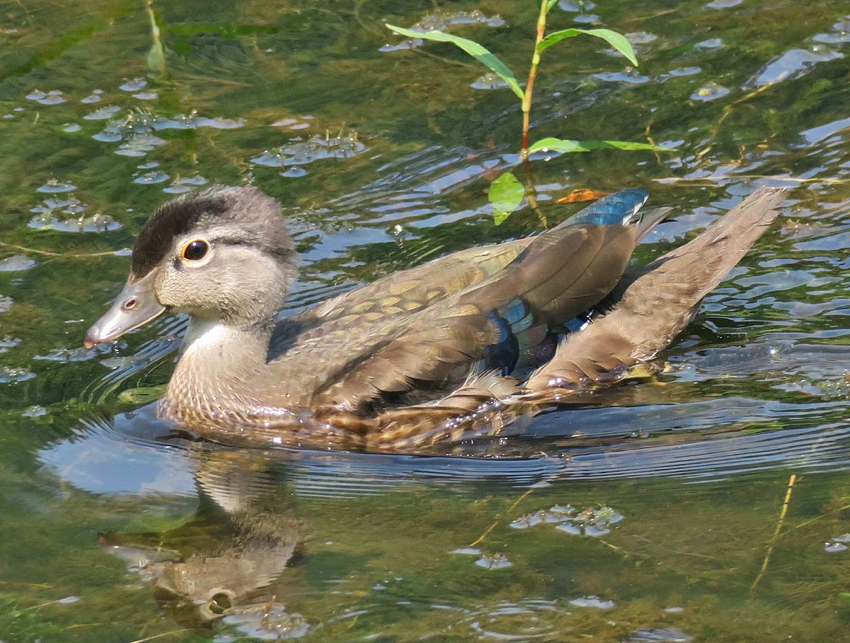
Isn't she lovely? An immature female Wood Duck takes a spin.
You might see these two young swimmers in the same waters.
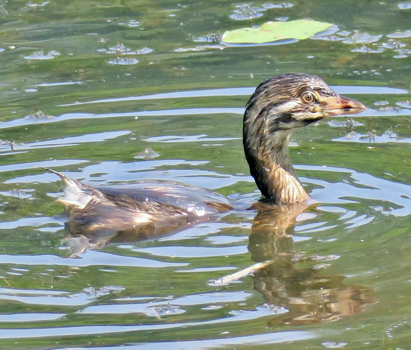
First, here's a juvenile Pied-billed Grebe and . . .
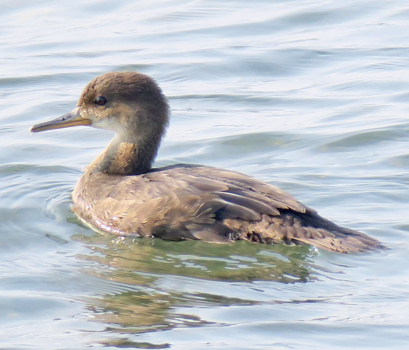
. . . then an immature female Hooded Merganser.
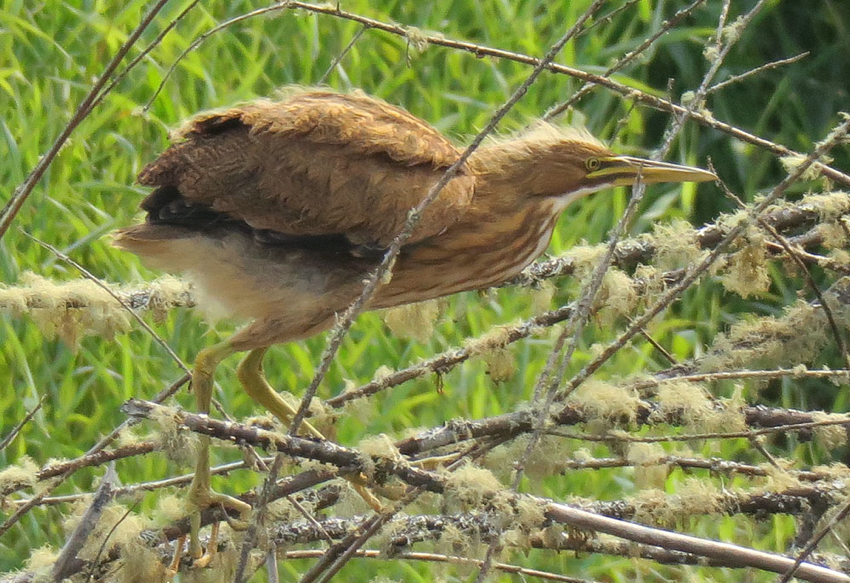
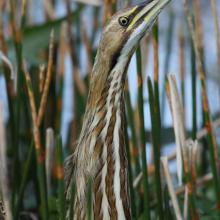
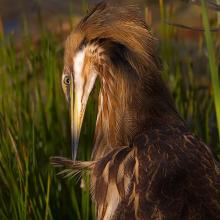
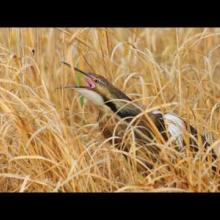
Wait! What!?! Waiting for more tail feathers: a juvenile American Bittern

This immature Osprey still cries for food from its parents . . .

. . . but a juvenile Great Blue Heron works for dinner.
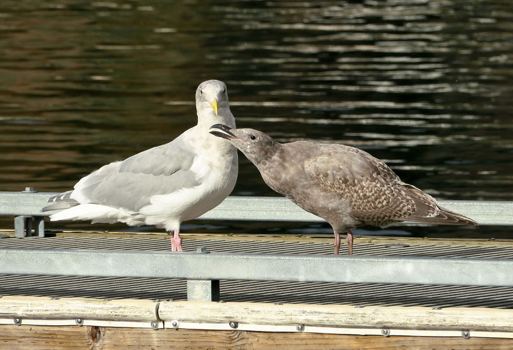
More begging and it works! A juvenile Glaucous-winged gull is almost as big as its parent but its legs are not quite as pink and its bill still dark.
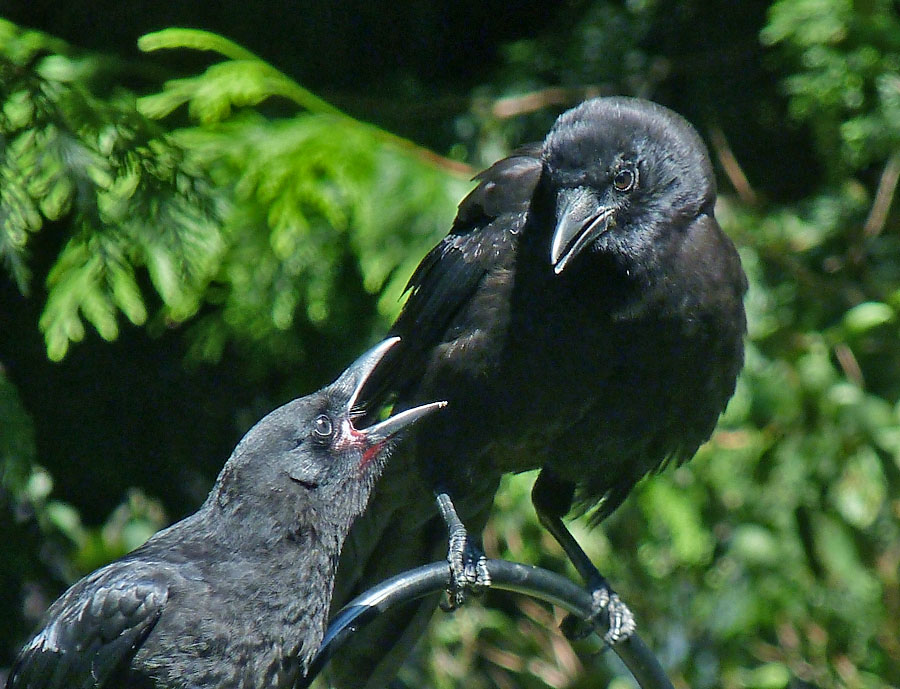
Another juvenile begs from its parent - American Crows.
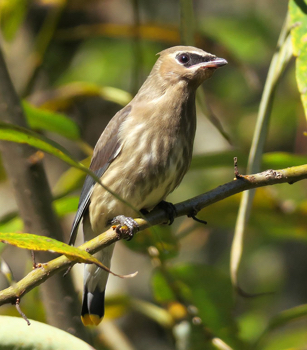
This juvenile Cedar Waxwing already has distinctive plumage and soon will be a sleek, handsome adult.
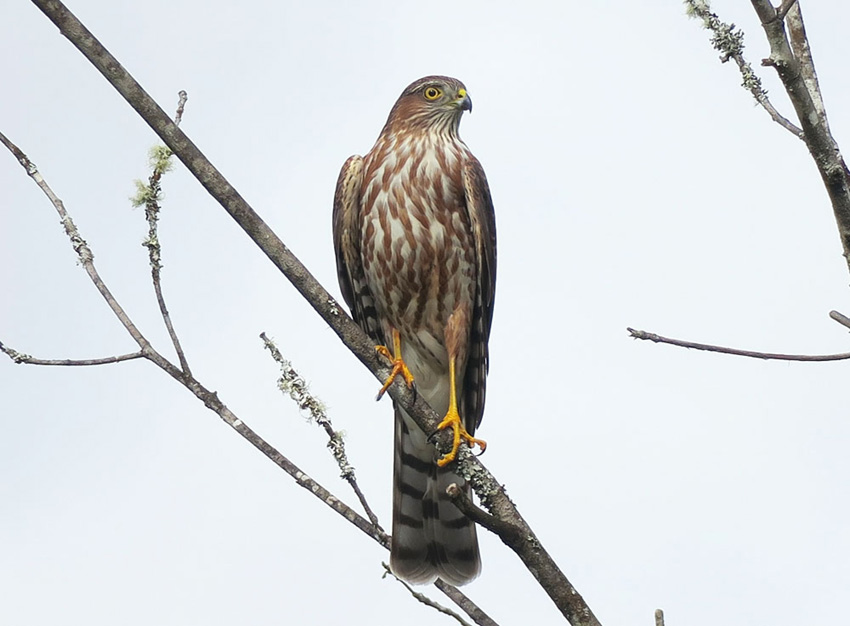
A juvenile Sharp-shinned Hawk strikes quite the pose! Notice the yellow eye.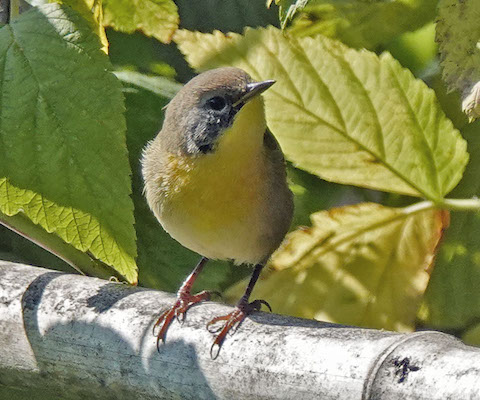
Some young birds have obvious and distinctive markings - others not so much. Here is a juvenile male Common Yellowthroat with colors of an adult.
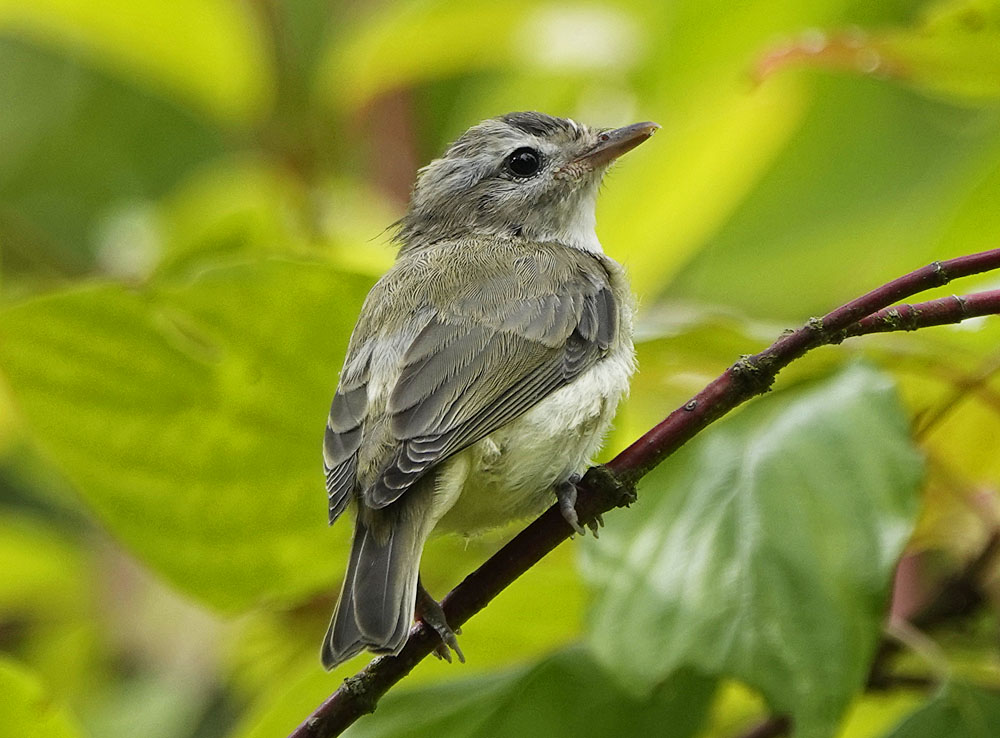
And a juvenile Warbling Vireo also has adult-like plumage with more feathers coming.
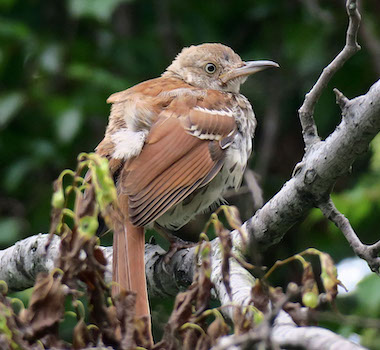
Hint: the next two are thrushes.
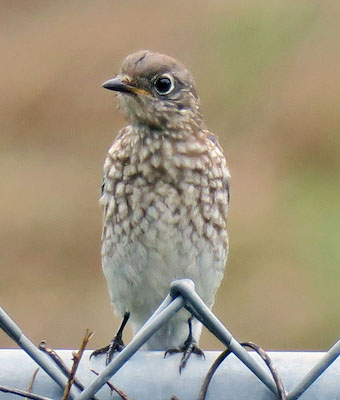

Also sporting spots on its breast, a juvenile American Robin is just chillin'.
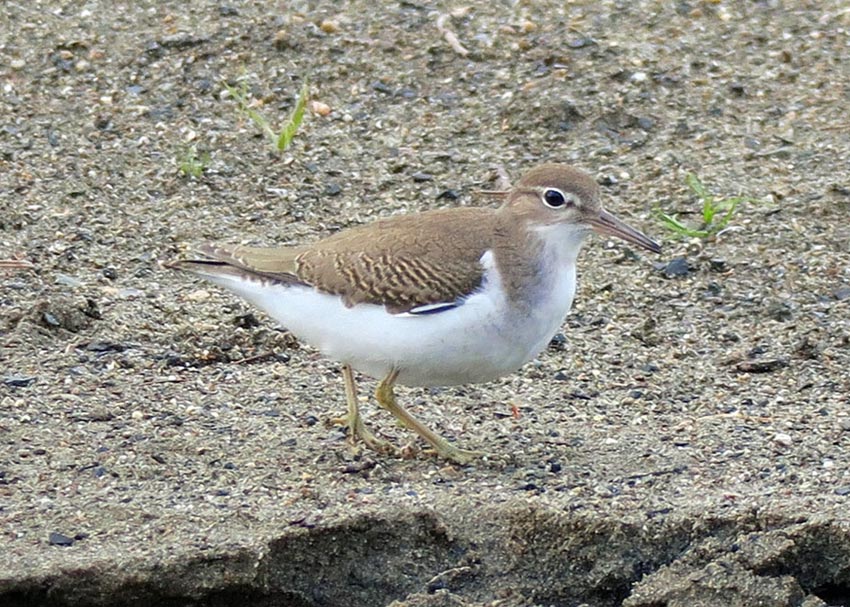
An immature Spotted Sandpiper roams a shoreline.
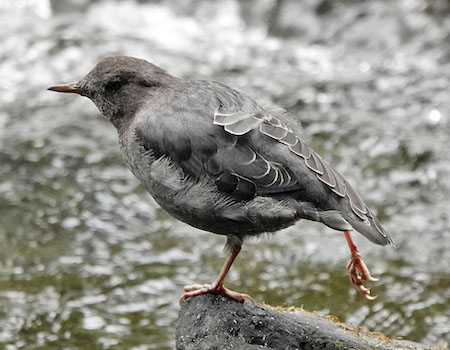
And here's a juvenile American Dipper. "First a little yoga, then a dip?"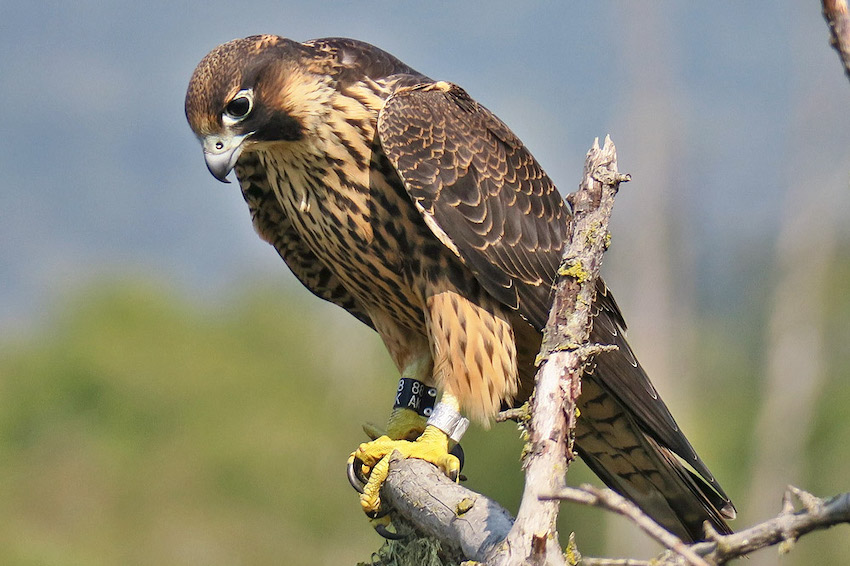
A juvenile Peregrine Falcon looks intense, perhaps eying something for dinner.
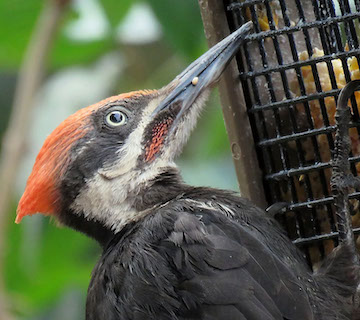
Take a look at the difference between these beaks on woodpeckers.
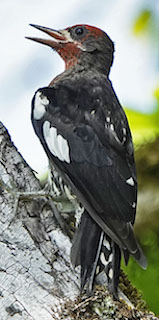
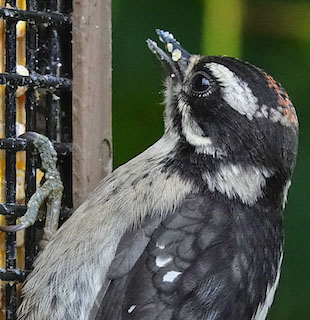
Above - An immature Downy Woodpecker has a smaller, shorter beak.
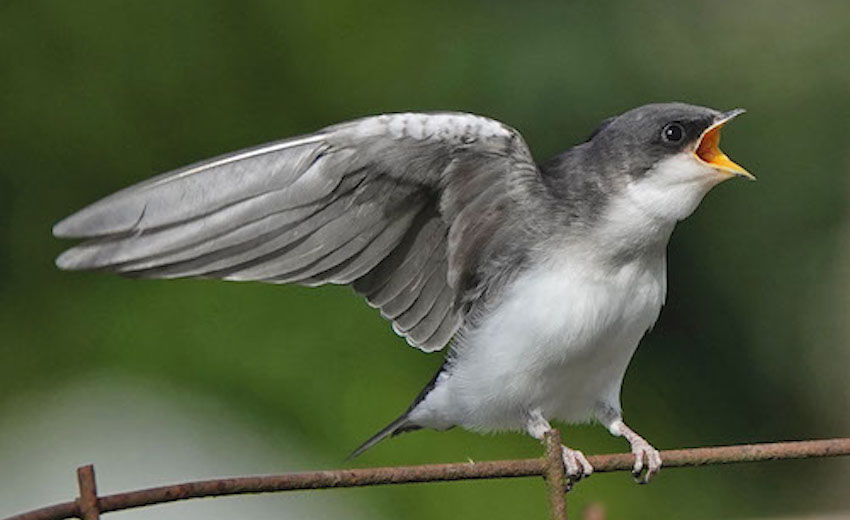
Maybe begging still works for this juvenile Tree Swallow.
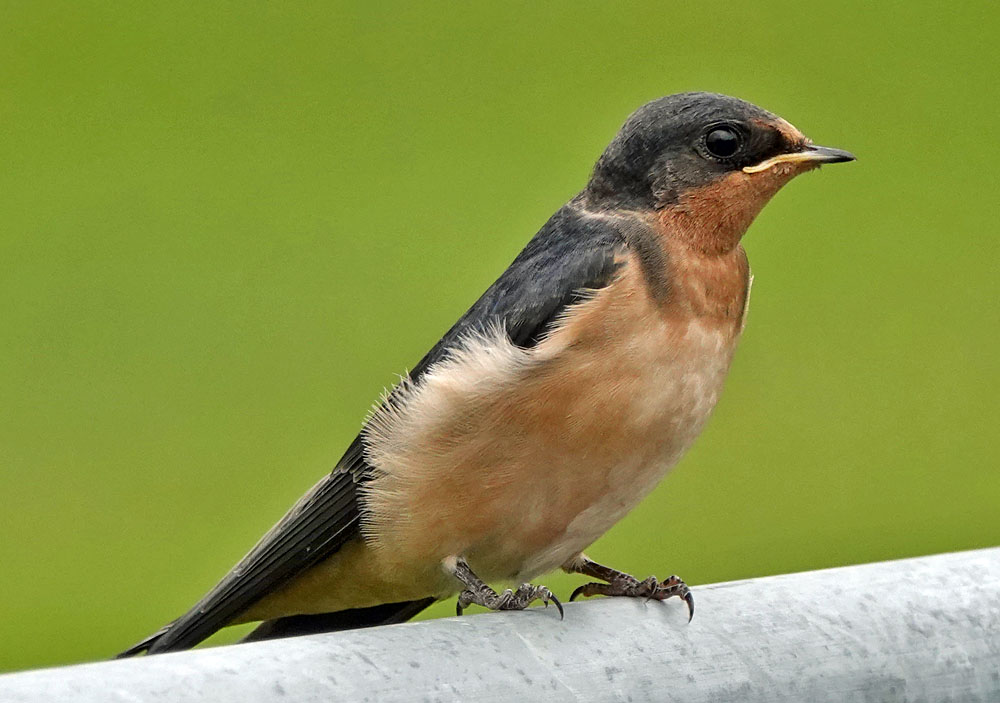
While this juvenile Barn Swallow just looks patient.
Here are some streaky finches.
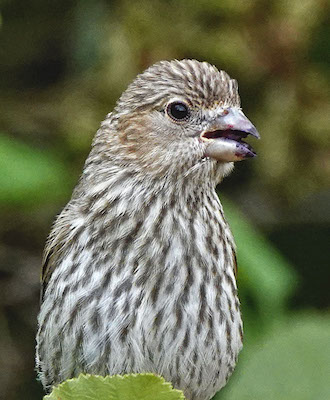
A juvenile House Finch found some blackberries.
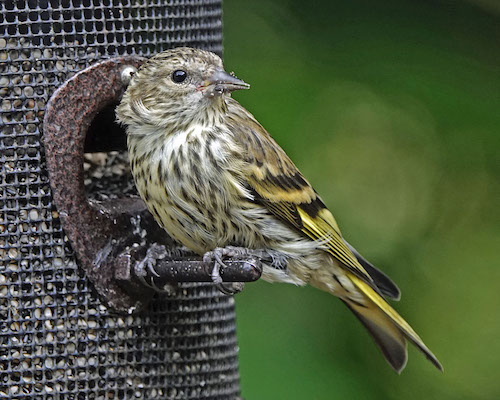
And a juvenile Pine Siskin found easy pickings at a feeder.

And now, guess who. A juvenile Red Crossbill. Look at that bill!
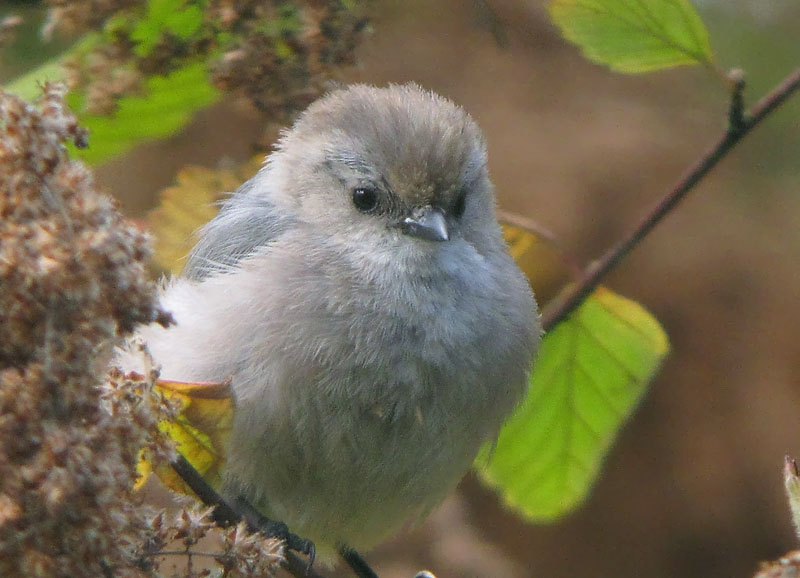
And our last young bird, this juvenile Bushtit is small, fluffy and awfully cute.
Helpful hints from eBird:
"When in doubt use 'Immature' for any bird that is not an adult. 'Juvenile' is more specific, describing a bird still in its juvenal plumage. This plumage is held only briefly for many songbirds (just a few weeks after leaving the nest) or up to a year for some larger birds like hawks. Once a bird has molted out of this plumage, it is no longer a juvenile. If you can't determine this but know that the bird isn't an adult, just use 'Immature.'"
###
All photos © Mike Hamilton
Mike takes pictures every day of the year in the Pacific Northwest -- and sometimes beyond.