
Image: The Ultimate Bird Drawing Throwdown Showdown Graphic featuring images of David Sibley and H. Jon Benjamin

Join BirdNote tomorrow, November 30th!

Illustrator David Sibley and actor H. Jon Benjamin will face off in the bird illustration battle of the century during BirdNote's Year-end Celebration and Auction!
RESERVE YOUR SPOT

Shows With Contributions by Frank Corrado

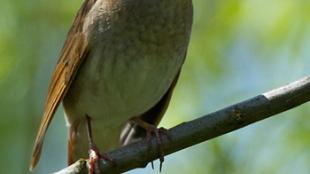
Nightingale perched on branch

Ode to a Nightingale

The Common Nightingale is a shy and plain-looking bird, but its song is lovely. In Ode to a Nightingale, the English poet John Keats wrote: "Thou wast not born for death, immortal Bird! No hungry generations tread thee down; ..." You can learn more about the nightingale from the Royal…
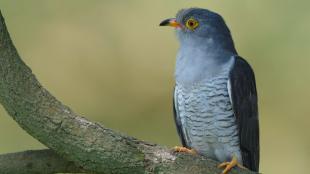
Eurasian Cuckoo

Mahler's Cuckoo

No bird has been so often evoked and emulated in song and symphony as the cuckoo. Among the best known examples are Handel's The Cuckoo and the Nightingale and the lovely "Andante" by Beethoven. But perhaps the quintessential use of the cuckoo's unique song figures in the First Symphony of…
Eurasian Cuckoo

Mahler's Cuckoo

No bird has been so often evoked and emulated in song and symphony as the cuckoo. Among the best known examples are Handel's The Cuckoo and the Nightingale and the lovely "Andante" by Beethoven. But perhaps the quintessential use of the cuckoo's unique song figures in the First Symphony of…
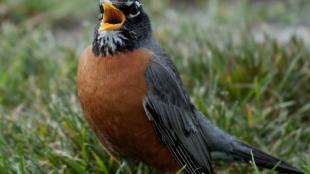
American Robin singing

First Songster of the Day

Why do birds start their songs so early in the morning? Many are announcing that they've made it through the night. Some males grab the first opportunity to remind others of their territories and to fend off other males. Certain migratory males signal their location and availability to…
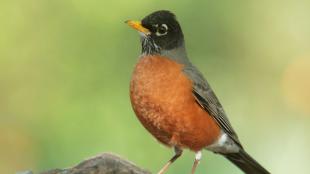
American Robin and bright "red breast"

Why Robin Has a Red Breast

According to the Suquamish story, many years ago, South Wind blew hot and long. The animals banded together and found the source of the wind - a fortress atop a rocky mountain. At night, the animals crept into the fortress and vanquished the men who protected the South Wind. Afterward, the…
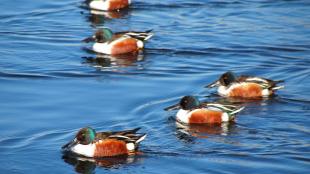
Shovelers feed in groups

Northern Shovelers Pinwheeling

The Northern Shoveler's oversized, spoon-shaped bill helps it stand out in even the most crowded pond. And while it doesn't actually use its bill to shovel, the Northern Shoveler skims tiny plants and animals off the water's surface and filters out the edibles with the help of tiny comb…
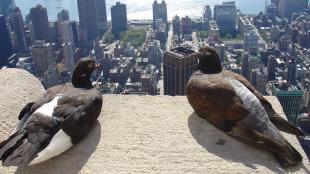
Pigeons in the city

Peregrines and Pigeon Plumages

Urban Peregrine Falcons rely on Rock Pigeons for much of their diet. But some pigeons appear harder to catch than others. Pigeons with white rumps evade pursuing falcons more often than those with dark rumps. When scientists took dark-rumped pigeons and colored their rumps white, their…
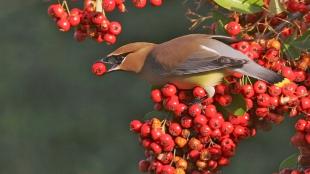
Cedar Waxwing eating berries, a favorite food

October Planting for Wildlife

October is the perfect time to plant for the benefit of next year's birds, including this Cedar Waxwing. Your new plants will put their resources into their roots rather than leaves or flowers. And the season's reliable rain will reduce the need to water. To attract the greatest variety of…
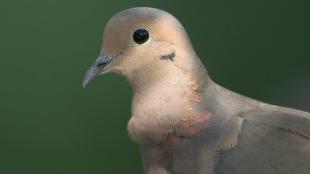
Mourning Dove

Bird Sounds Transport Us Back

Bird calls can transport us to times deep in our memory. Is the sound of the Whip-poor-will at dusk part of your memory? Maybe you heard Common Loons calling on a northern lake. Perhaps you awoke on a summer morning to the cooing of a Mourning Dove. Use the link below to discover how your…
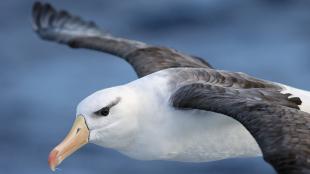
Black-browed Albatross

The Mystique of the Albatross

Since Samuel Coleridge published The Rime of the Ancient Mariner, we've associated albatrosses (like this Black-browed Albatross ) with the superstition that shooting one would bring misfortune. With a wingspan of up to 12 feet, albatrosses are among the world's largest seabirds. They come…